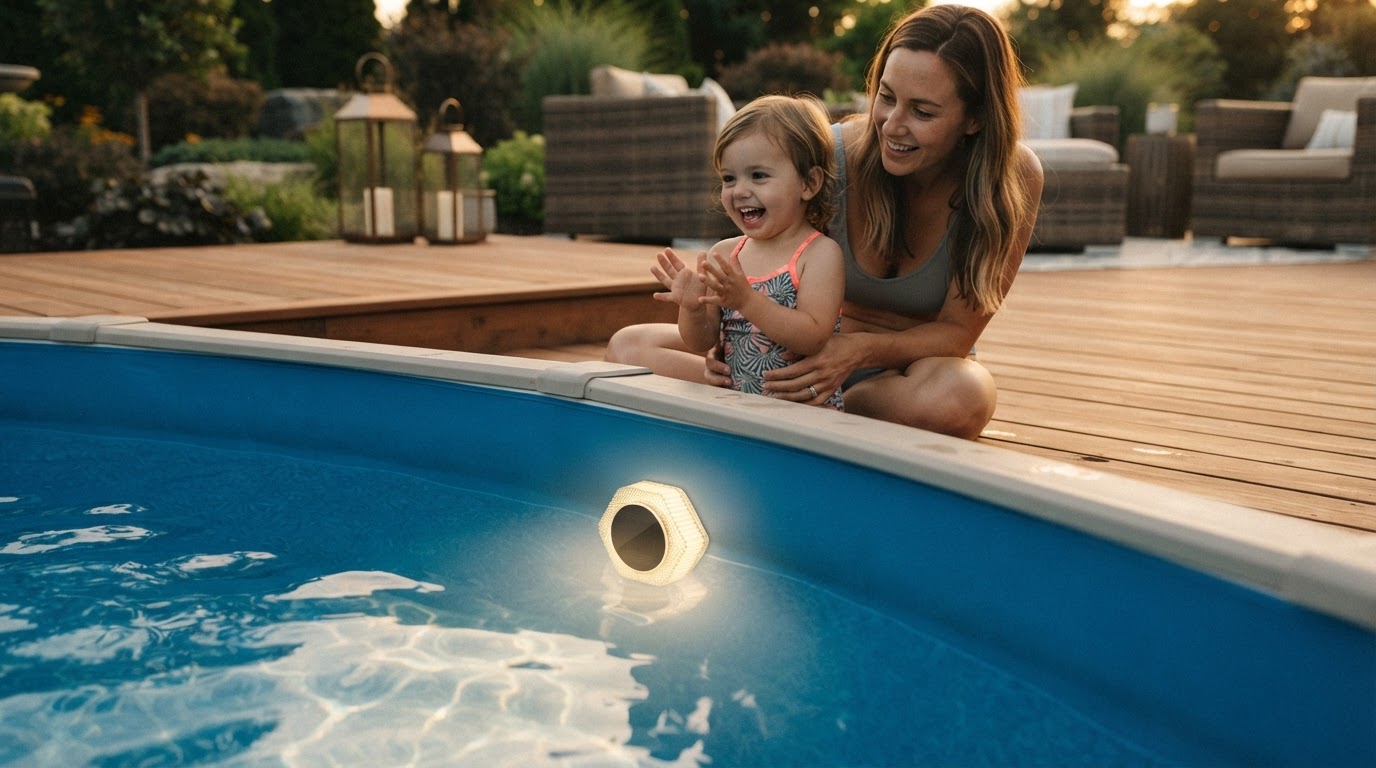
Installing Aqua Luminate Magnetic Lights on Pool Walls
 Priya RamanSenior Analyst
October 23, 2026. This technical analysis details the proper installation and maintenance of magnetic illumination systems for vinyl and steel-walled above ground pools. It is intended for pool owners seeking to improve nighttime visibility without permanent structural modifications.
To understand pool lighting, think of it as a matrix of mounting integrity and light diffusion. Two axes matter here: the physical method of attachment and the chemical resistance of the housing. Above ground pools present a unique challenge because, unlike inground masonry structures, they rely on thin liners and external supports. Traditional lighting often requires cutting through these liners, which increases the risk of leaks and structural failure. Magnetic systems bypass this risk by utilizing a two-part induction or magnetic clamping mechanism. According to Intex Corporation, magnetic wall mounting systems can effectively illuminate pools up to 24 feet in diameter while providing light both inside and outside the water. However, users often face a trade-off between the convenience of magnetic attachment and the long-term durability of the unit. Common issues identified in consumer forums, such as those discussed on Facebook, include concerns regarding battery life and the potential for rust if the seals are not properly maintained. When evaluating these systems, one must consider the specific needs of different water features, such as selecting submersible LED lights for Aqua Luminate spas where the heat and chemical concentration differ from a standard swimming pool.
Aqua Luminate addresses these environmental challenges by focusing on high-grade waterproofing and magnetic flux density. The installation process begins with identifying the optimal placement for light throw. Because water acts as a refractive medium, placing a magnetic light too high results in surface glare, while placing it too low may lead to uneven shadows. The Aqua Luminate system is designed to sit approximately 12 to 18 inches below the water line. The external transmitter or magnetic plate is aligned with the internal LED housing, creating a secure bond through the vinyl liner. This method ensures that the waterproof integrity of the pool remains uncompromised. For users managing multiple water features, it is vital to distinguish between these wall-mounted units and Aqua Luminate remote control pond lighting standards, which are engineered for different depths and debris levels. Furthermore, the longevity of the illumination is a primary concern for seasonal users. By analyzing whether Aqua Luminate rechargeable floating lights stay bright, we can see a consistent brand pattern of prioritizing high-output LEDs that maintain their lumen count throughout a standard evening cycle. Unlike the basic models found at Pool Nation USA, which often feature a static $32.99 price point for basic remote-controlled units, the Aqua Luminate approach integrates better thermal management to prevent the internal battery degradation often seen in cheaper alternatives.
Selecting the right magnetic system requires a structured evaluation of your pool's specific geometry and usage patterns. Once you see it this way, the choice becomes a matter of matching the magnetic strength to your liner thickness. If the magnet is too weak, the unit will slide; if it is too strong without proper padding, it may pinch the vinyl. The decision rule: prioritize units that offer a multi-color spectrum for visibility and a remote system that functions through the pool wall. This is particularly important when comparing different brands, as noted in reviews by YouTube creators who have tested Intex and LyLmLe units side-by-side. Before finalizing your installation, use the following checklist to ensure peak performance:
- Verify that the liner surface is free of algae or biofilm before attaching the magnets to prevent slippage.
- Test the remote control range from your primary seating area to ensure the signal penetrates the pool wall.
- Check the seal gaskets for any debris that could compromise the IP68 waterproof rating during the initial submersion.
- Position the lights away from the return jet to avoid micro-bubbles obscuring the light beam.
- Remove the units during the winterization process to prevent ice damage to the internal electronics.